Zara Weber · 2 September 2026
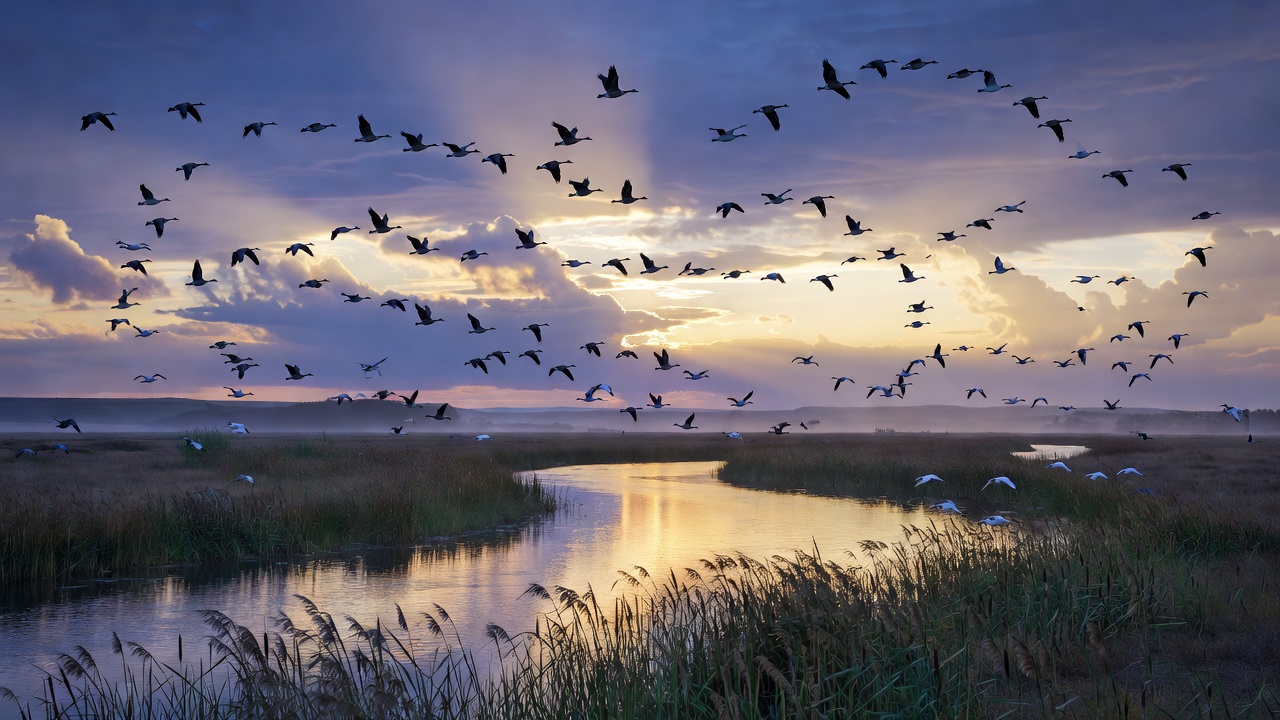
Recent field observations across the Duskridge valleys show that evolving dusk light patterns are redirecting migration paths for several avian species. Subtle changes in twilight intensity, shaped by terrain and vegetation, appear to influence navigational decisions during evening flights.
Ornithologists tracking flocks over multiple seasons recorded consistent deviations from historical corridors. These adjustments coincide with measurable differences in light diffusion at dusk, prompting birds to select alternative routes that align with altered visual horizons.
Species Responses to Light Variation
The duskridge warbler and several thrush populations have demonstrated the most pronounced shifts. Instead of crossing open ridges at traditional times, groups now favor lower valleys where denser canopy maintains steadier low-light conditions. Tracking data indicate an average 12 percent increase in flight distance per migration leg, raising concerns about energy reserves upon arrival at breeding grounds.
Researchers note that elevation gradients and seasonal leaf density modulate how last light scatters across the landscape. Areas with sparse undergrowth create brighter patches that birds now avoid, while thicker stands produce shadowed lanes that attract more traffic. These preferences emerge without evidence of artificial light interference.
Landscape Features Driving Navigational Change
Essays examining Duskridge terrain highlight how slope orientation and forest composition interact with solar angles at dusk. West-facing slopes retain residual glow longer, forming temporary beacons that redirect flocks away from established flyways. Soil moisture levels further affect light reflection from open meadows, adding another variable to route selection.
Conservation planning now incorporates these light-based variables into habitat models. Mapping efforts aim to identify stable corridors that minimize added exertion while preserving access to essential stopover sites. Continued monitoring will clarify whether these adjustments represent temporary responses or lasting adaptations to evolving landscape conditions.