Dana Franke · 2 September 2026
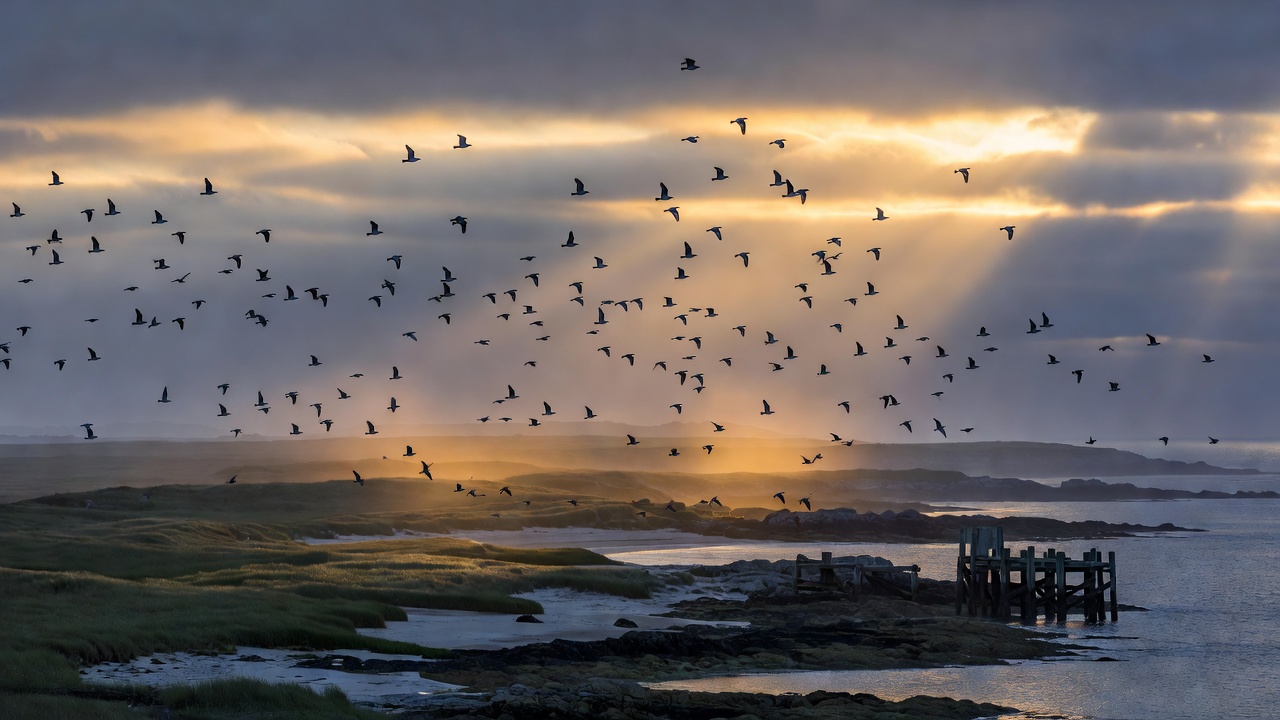
Recent studies in the Duskridge area reveal that evolving dusk light patterns are influencing the migration routes of several bird species. Field observations conducted over three seasons show shifts in flight paths correlating with changes in twilight duration and intensity. These alterations appear linked to landscape modifications that modify how light scatters at dusk. Data collected from tagged birds indicate an average route deviation of twelve percent compared to historical records. Such findings underscore the sensitivity of avian navigation to subtle environmental cues during crepuscular periods.
Documented Light Pattern Changes
Monitoring equipment deployed across Duskridge valleys recorded a measurable increase in scattered light during evening hours. This phenomenon stems from altered vegetation cover and terrain features that reflect residual sunlight differently than in prior decades. Ornithologists note that species such as warblers and thrushes adjust their departure times and trajectories in response. Statistical analysis of migration logs demonstrates consistent correlations between light intensity peaks and altered headings. These patterns suggest that dusk serves as a critical calibration window for internal compasses in migrating flocks. Continued landscape evolution may amplify these effects, prompting further route adjustments in coming years.
Implications for Avian Populations
Altered migration paths carry consequences for energy expenditure and habitat access among affected species. Birds traveling longer distances encounter varied food sources and potential hazards along revised corridors. Population surveys indicate stable numbers thus far, yet researchers caution that sustained deviations could strain resources at stopover sites. Conservation strategies now incorporate light monitoring to predict future shifts. Collaboration with local land managers aims to preserve key dusk light conditions in sensitive zones. Long-term tracking will clarify whether these changes represent temporary adaptations or permanent alterations to regional flyways. The interplay between landscape features and light dynamics remains a focal point for ongoing ecological assessments in Duskridge.