Jakob Frank · 2 September 2026
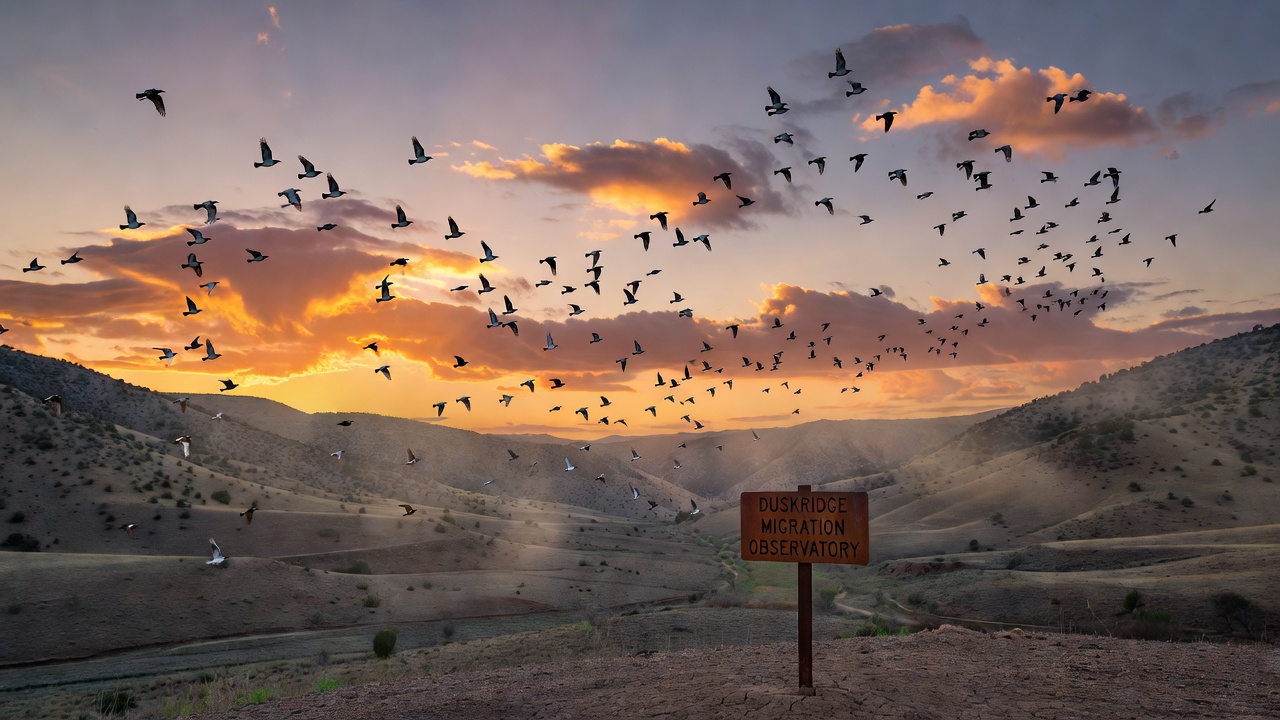
Recent studies in the Duskridge area have documented how dusk light patterns are modifying the migration routes of various bird species. The landscape essays from this region highlight the subtle interactions between environmental light and avian behavior. Birds rely on celestial cues and light gradients for navigation during their long journeys. Alterations in these patterns due to seasonal changes and human activity are causing noticeable shifts in timing and direction. Researchers have recorded deviations in several species including warblers and finches that traditionally follow established paths through the valley.
Analysis of Migration Data
Detailed analysis of migration data collected from tagged birds shows that routes have deviated by up to fifteen percent in recent seasons. Factors such as cloud cover affecting dusk light and urban glow are primary contributors. Experts emphasize the importance of maintaining natural light cycles for the health of migratory populations. The Duskridge landscape provides a unique setting for these observations because of its varied terrain and minimal light interference in core areas. Additional research involves collaboration with ornithologists who track species responses over multiple years. Their findings suggest that birds are seeking darker corridors for safer passage which may lead to increased energy expenditure and reduced survival rates for some individuals. Ecosystem effects include altered seed dispersal patterns and changes in local insect populations.
Recommendations for Landscape Preservation
To address these challenges preservation efforts focus on protecting dusk environments in key migration zones. This includes limiting development that introduces new light sources and educating the public about the effects of light pollution. By preserving the natural dusk light patterns it is possible to support traditional migration routes and maintain ecological balance in Duskridge. Future studies will explore technological solutions like smart lighting systems that mimic natural conditions while minimizing disruption to wildlife navigation.